 WTB
WTB Okay, I know what you’re thinking after reading this title.
Antarctica is not a budget destination!
You’re right. It’s not.
When researching Antarctica cruises, the prices can range from a few thousand for a simple drive-by cruise to tens of thousands for a proper expedition ship with landings. The smaller the ship, the higher the cost.
So what is one to do if they wish to step foot on their seventh continent, but don’t want to shell out the equivalent cost of a brand new car? Well, let me tell you about how I made my dream of traveling to Antarctica on a budget come true.
Before we get into it, understand that there is an asterisk when I say “Antarctica on a budget.” If you’re traveling on a shoestring budget of $75 per day, this post isn’t for you. If you’re a bit more flexible and looking for a way to save a significant chunk of change on the trip of a lifetime, keep reading.
Table of Contents
- Antarctica on a Budget: Last-Minute Deals
- What to Know Before Booking a Last-Minute Deal
- How to Find Deals
- Best Time of Year to Visit Antarctica on a Budget
- What to Research Before Booking a Deal
- Responsible Antarctica Travel
Antarctica on a Budget: Last-Minute Deals
As I said, you can’t find shoestring-budget type deals to Antarctica. However, you can find expedition cruises to Antarctica for a pretty significant discount. The key is to find last-minute deals.
Like any other tourism-based business, ships sailing to Antarctica prefer to operate at full capacity. Any bed that remains empty means they are losing money. It gets to a point where they would prefer to sell the beds for a steep discount and make any money than have them remain empty.
It’s simple economics.
As the ship gets closer to departure, the steeper the discounts get for empty beds. If you can be at least somewhat flexible in your travel schedule, this point is where you benefit.
The best discounts appear to be found >1 month prior to departure. However, if that is too last-minute for your schedule, you can likely starting finding decent deals about 3 months beforehand.
If you can’t be a bit flexible in your vacation planning, finding significant last-minute discounts will be more difficult.
Drawbacks to Booking a Last-Minute Antarctica Deal
So your travel schedule allows you to be flexible enough to book a last-minute deal, but you’re still not sure if it might be right for you? What are the drawbacks?
Booking Antarctica on a budget does come with some unknowns and potentially some restrictions.
If you have your heart set on a super specific boat and itinerary, you might risk not being able to book exactly what you want if you’re hoping for a good last-minute deal. We didn’t even know if we’d be heading to Antarctica until we were a month away from departure. Luckily, as full-time travelers, we were able to book a ticket to Argentina in the hopes we’d find a deal at some point. We’d also fully accepted that we might not find a deal at all.
The point is, if you’re looking for a last-minute Antarctica deal, you have to make peace with the fact that you might not get to Antarctica at all. If you can’t make peace with that, you might want to pay more to book farther in advance.
Another thing to keep in mind is that the trip “extras” might sell out. By extras, I mean the additional excursions ships offer like camping, kayaking, paddleboarding and in some cases, even snorkeling. Most companies sell these excursions as optional extras with limited spots. Many of these excursions sell out months in advance – especially camping.
I really wanted to camp in Antarctica – but not more than I wanted to find a good last-minute deal. Therefore, I made my peace with potentially sacrificing camping in order to get the deal.
I actually did get to camp in Antarctica, and it was totally worth it.
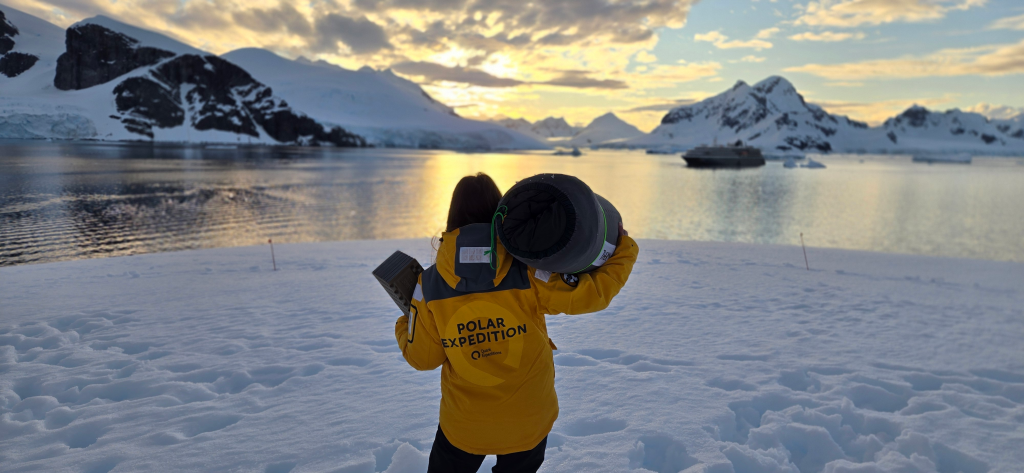
However, I only got to do that because the ship added extra spots due to high demand then had a lottery with everyone who was interested. I got extraordinarily lucky, but that’s the type of luck on which you really can’t count.
Additionally, the best rooms on the ship tend to sell out the fastest and are less likely for a last-minute deal. If a balcony room is a dealbreaker for you, you might be disappointed to learn they’re all sold out when your last-minute deal comes along.
I was pretty firmly in the “beggars can’t be choosers” mindset when looking for my last-minute deal. However, if you have more specific needs, you ought to keep those in mind before you decide to take a gamble on finding a deal.
How to Find Antarctica Deals
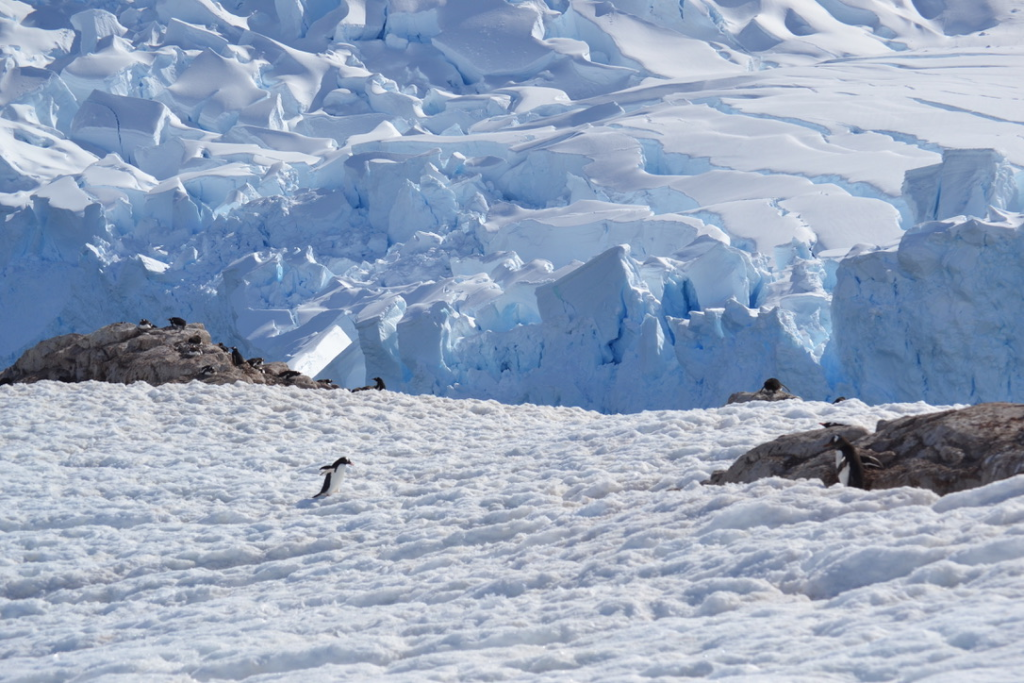
So now that I’ve got all my disclaimers out of the way, read on if you’re still thinking you’d like to book Antarctica on a budget.
The thought I initially had when looking for a last-minute Antarctica deal was that we’d show up in Ushuaia at the beginning of the season and ask around the pier for a walk-on deal. I was advised that was a very old-school way of finding these deals. Supposedly, these pier deals are now all but nonexistent, and you have more luck figuring out where the deals are posted online.
I did hear through the grapevine that one person on our ship got an even better last-minute deal than we did by going to the pier and booking a couple days before departure. I can’t speak to that experience personally, but it could potentially still be an option if you’re super duper flexible. It’s also more likely to work out if you’re a solo traveler like he was.
However, because we are a couple and both wanted to make it onto a ship, we opted not to go that route.
You can always find last-minute Antarctica deals by booking directly on the ship’s website. These discounts might look pretty good at first look, but to find the true last-minute deals, you have to sign up for the newsletters.
There are a few companies that make it their business to aggregate the best last-minute deals to Antarctica. I recommend signing up for as many as you can find, and checking your email frequently. You never know which company is going to send out the best deal.
I signed up for three:
In my experience, Freestyle frequently sent out the best deals. They also offered extras like free rental ski pants and waterproof gloves, plus gifted face buffs and beanies. These extras were especially great for people traveling full-time who don’t travel with all these things.
The process for booking through these companies is pretty simple –
- Sign up for the newsletters through email and social media (Instagram & Facebook)
- Research exactly what you want in a ship and company and identify your ideal price point so you know to jump on a deal when you see it.
- Check your email frequently. These deals get snapped up immediately.
- When your deal comes up, reply to the email and follow the instructions to lock in the deal.
- Pay & get excited for your trip to Antarctica!
From what I saw, the deals start getting pretty good about 1-3 months before departure and really good <1 month before departure. So keep that in mind!
Best Time of Year to Visit Antarctica on a Budget
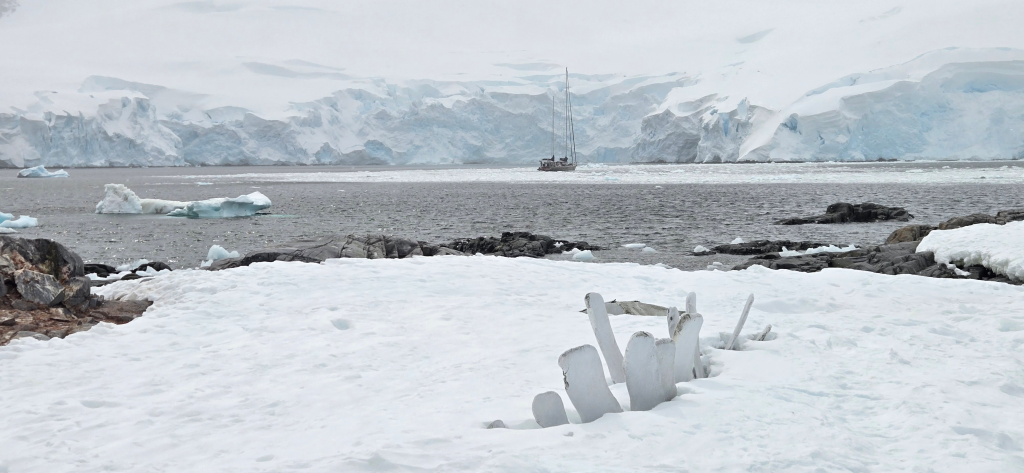
Note that this section is not about the best time of year to visit Antarctica in general, but the best time to visit Antarctica on a budget.
Like just about anywhere else in the world, Antarctica will be more relatively affordable in its shoulder season. That is, at the beginning of the season in November and the end of the season around late February to early March.
Both seasons appear to have their benefits.
In November, Antarctica is still a pristine, snowy wonderland with shimmering white mountains stretching impossibly high into blue, cloudless skies. At this time, penguins are nesting and may be slightly less active – though still plenty dramatic. You have some opportunity to see other wildlife like seal and whale species, but they also might be fewer than later in the season.
In March, Antarctica may not be quite as pristine – but I’m sure it’s just as awe-inspiring as in November. The penguin chicks will be reaching adolescence and in the midst of their awkward, hairy teenage years. You have better chances of seeing whales as they return for the season.
The peak season of Antarctica is generally considered to be late December through early February. It’s perhaps most famous for being the time of year you’ll see tons of penguin chicks. Being peak season, it also tends to be the time of year with the least impressive last-minute deals.
We booked in November, and I’m so glad we did.
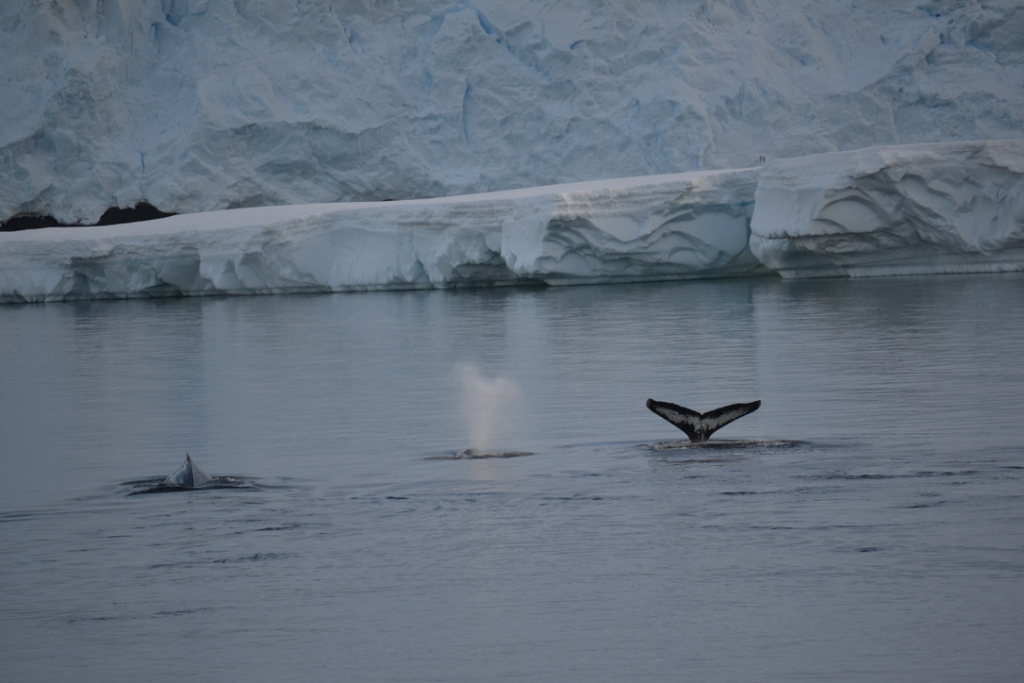
The snowy peaks of the Antarctic peninsula were absolutely magical that time of year. Additionally, the staff also seemed pretty fresh and excited for a new Antarctica season. I’m sure the staff on these expedition ships are still excited later in the season, but I do think there’s likely something a bit more special early in the season.
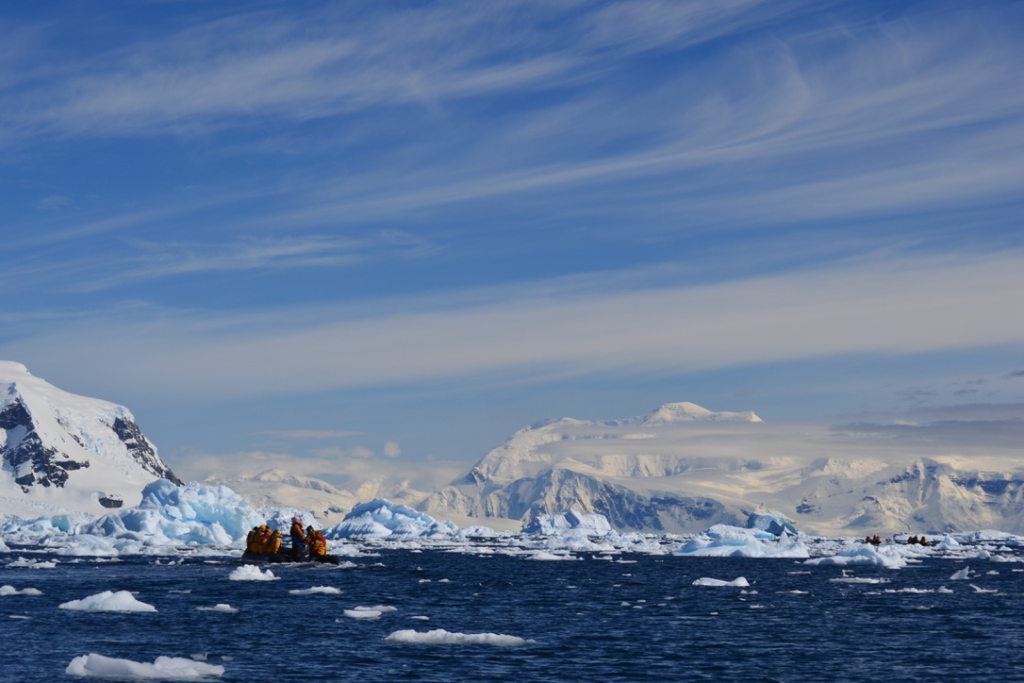
Plus, we still got to see humpback whales right next to our zodiac. Talk about a once-in-a-lifetime experience.
What to Research Before Booking a Last-Minute Antarctica Deal
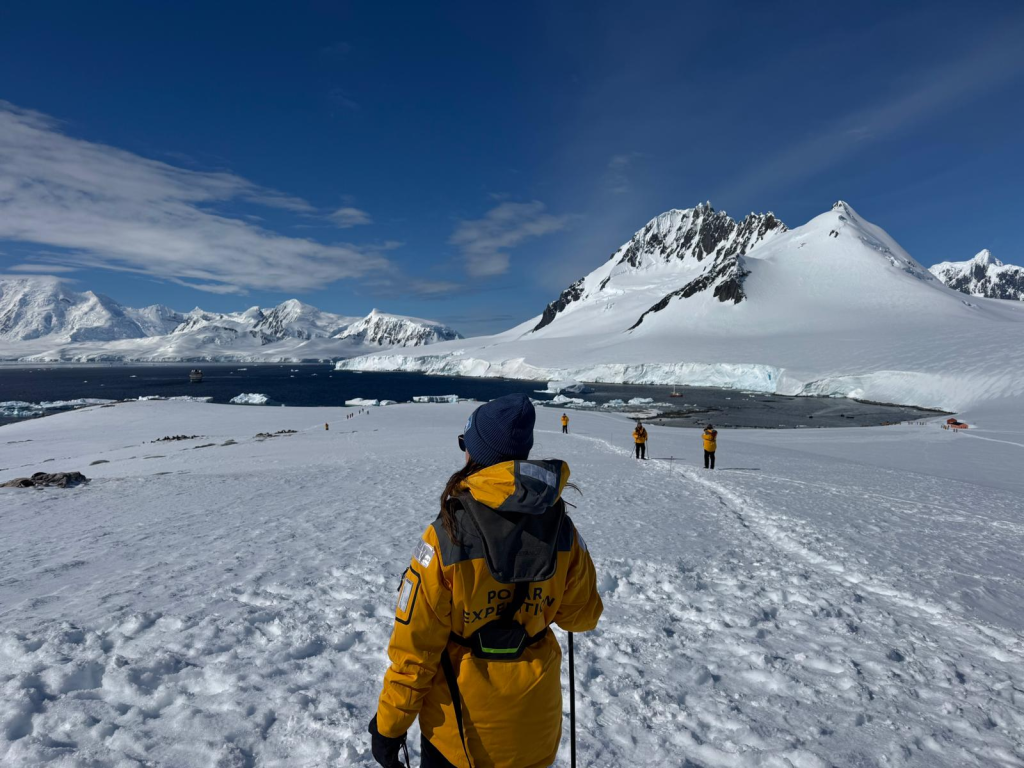
“Research,” you might be thinking, “what research? Don’t I just take any good Antarctica budget deal that comes my way?”
Honestly…this was kind of my thought when I first signed up for the last-minute Antarctica deal newsletters. I figured I’d be lucky enough to be able to step foot on Antarctica on a budget at all. I wasn’t about to be too choosy about how I got there.
That was my train of thought – until I started actually looking at the deals that were landing in my inbox.
I realized there were so many different ships, itineraries and possible extras that I needed to actually do my research before deciding if a deal was right for me or not.
As I’ve said, you want to be able to jump on the right deal as soon as it comes up because the deals go fast. Therefore, doing your research beforehand is absolutely key.
Here are a few things to consider before you book Antarctica on a budget:
Expedition vs. Cruise-By
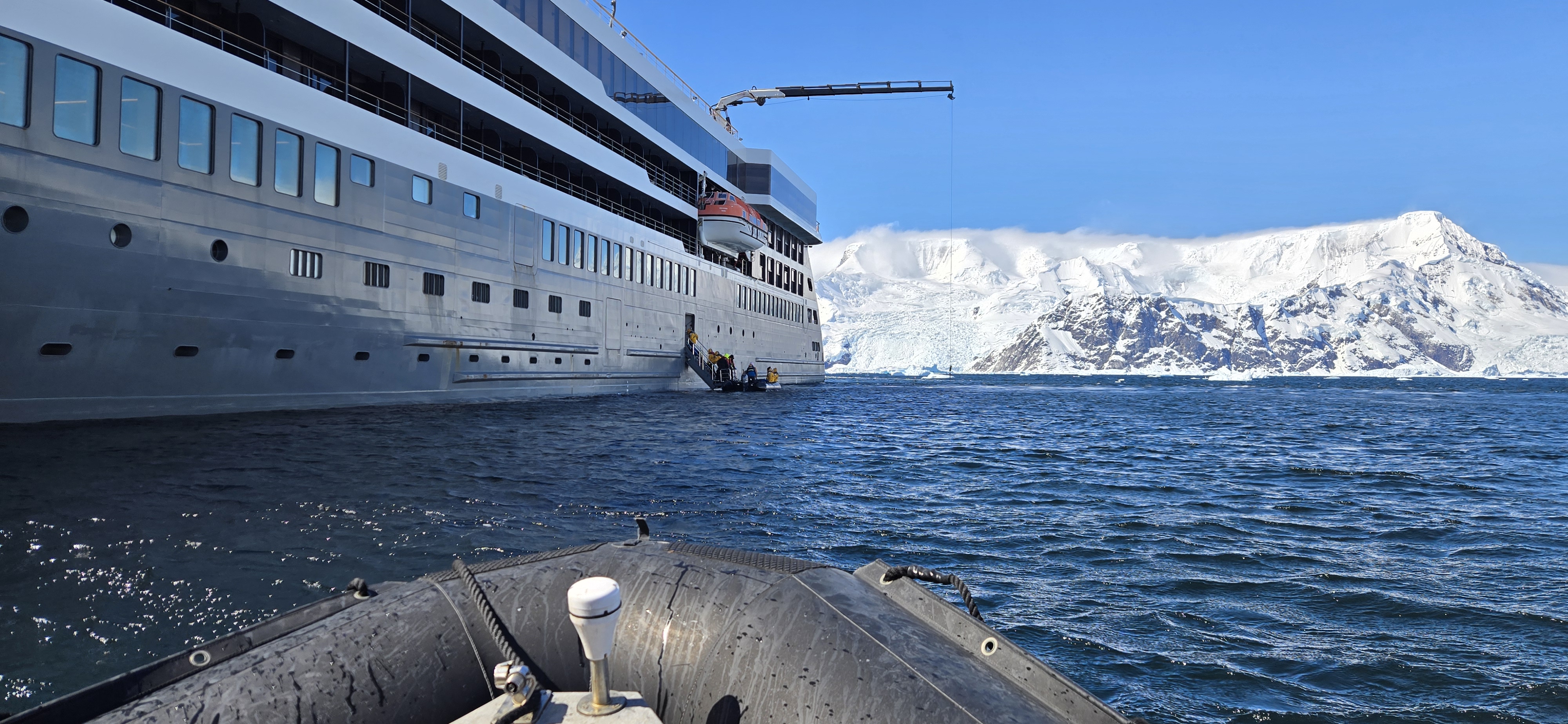
There are two types of cruises you can take to Antarctica. One is an expedition cruise that allows you to get out of the ship and step foot on the continent plus do zodiac cruises. That is the type of cruise I did. The newsletters I shared above typically share expedition cruise deals.
The other option is a cruise-only trip. It’s basically as it sounds – you sail through Antarctica in your ship and never step foot on the continent. Instead, you sail to points of interest while the ship slowly drives around or does 360-degree circles at interesting viewpoints. This option is great for people who are less active and don’t want to leave the ship and/or want a much cheaper cruising option. You can likely find good deals on these types of cruises without a newsletter.
Ship Size
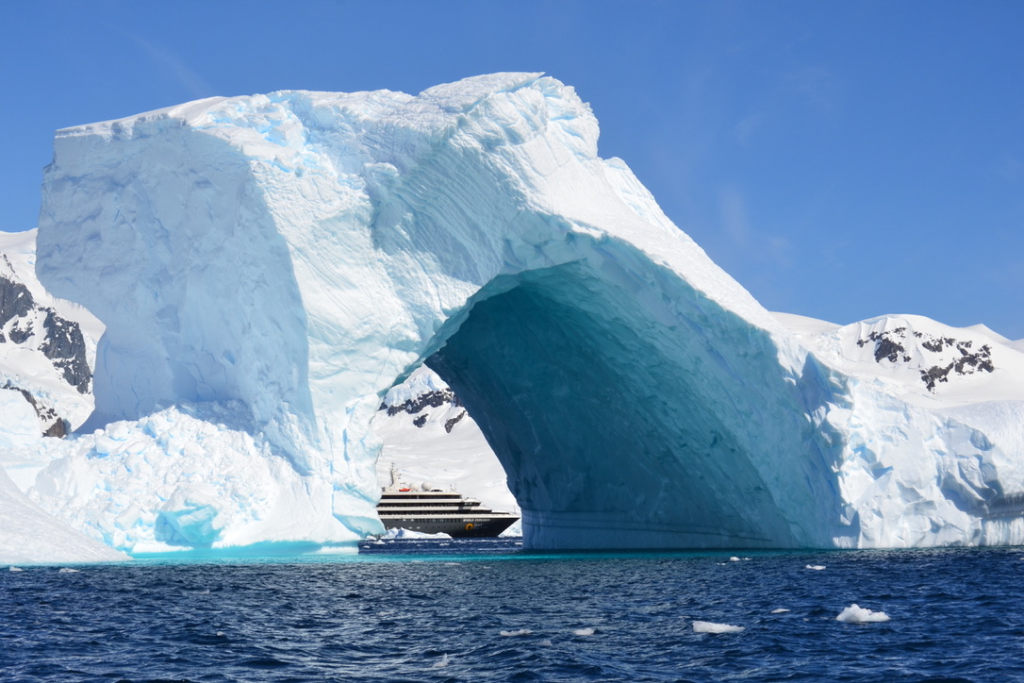
Another key thing to research is the size ship you want. This detail is especially critical if you’re on an expedition ship where you hope to actually step foot on the continent. And this is a case where bigger is definitely not better.
The International Association of Antarctica Tour Operators (IAATO) says that there cannot be more than 100 people actually on the Antarctic continent at any one time. Most Antarctica expedition cruises range from about 100-500 people.
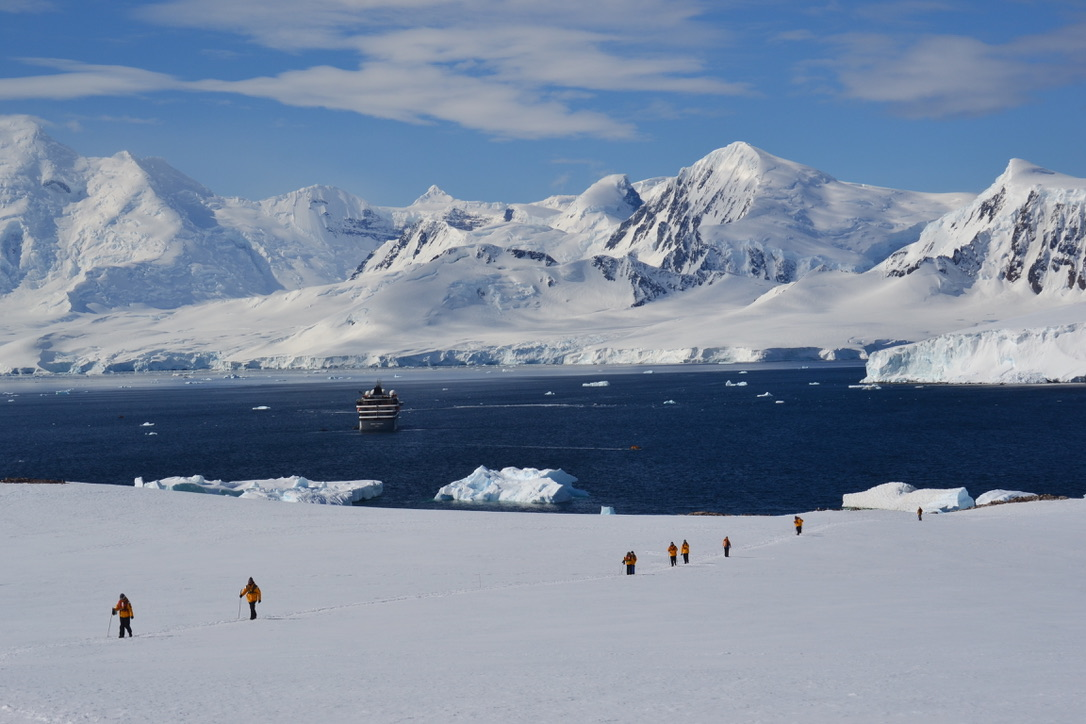
In theory, you want to be on a boat with <200 passengers. On a ship this size, everyone will be able to get out of the ship every day, weather permitting. During each landing, about half the passengers will be on a hike and the other half on a zodiac cruise at any given time, then they swap.
On a ship with >200 passengers, the landings get a bit trickier. I don’t know how each and every company with a large ship handles their passenger load, but I do know there are cases where some people never end up stepping food on land because there are simply too many passengers. In one case, I heard about a ship doing a daily lottery drawing to determine who got to leave the ship each day, and some passengers never got to set foot on land.
These larger ships do tend to be less expensive, but I’d say the risk isn’t really worth it if you want to actually step foot on land. I did also really appreciate how our 164-passenger ship felt more intimate overall.
Company Specialization
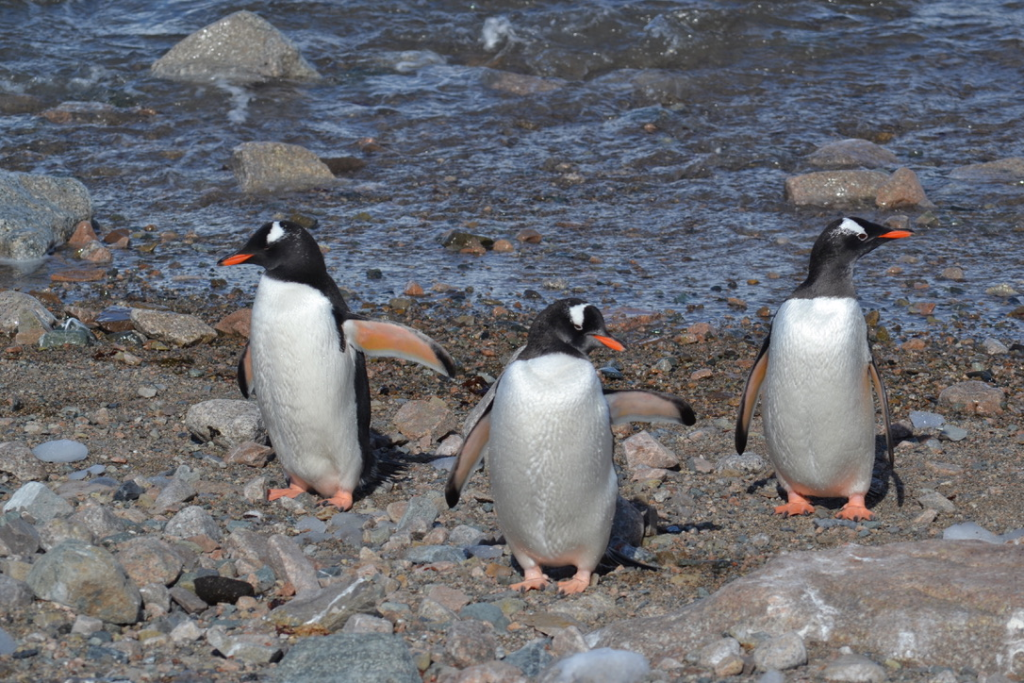
This category refers to whether the company running the ship is a more general tour or cruise company, or if they specialize in the polar regions.
Tons of companies run cruises to Antarctica – including some of the most popular tour companies in the world. Some of the most popular tour companies running Antarctica cruises are companies like G Adventures and Viking. I’m sure they curate amazing experiences for their passengers.
Then, there are companies that specifically specialize in the polar regions. These are companies like Quark Expeditions and Polar Latitudes. The crew on these ships spend almost their entire year in Antarctica and the Arctic and are experts in what they do.
When I travel to a region with a guide, I prefer to go with a company specialized in that area. In the case of Quark, they hire among the best of the best in the industry. That’s super important in a region like Antarctica where circumstances can change at the drop of a hat.
Here’s why –
Landings in Antarctica have to be booked out by expedition teams several months in advance. However, the planned landings shift quite often due to things like weather, sea conditions, ice, etc. A good, experienced expedition leader can monitor a bunch of different variables and plan and trade the best landings for their ship.
Your expedition leader can truly make or break your trip in Antarctica.
I might be conflating specialization with quality, but after doing my research, I decided I wanted to go with a company specializing in polar regions. I was not disappointed.
Company Reputation
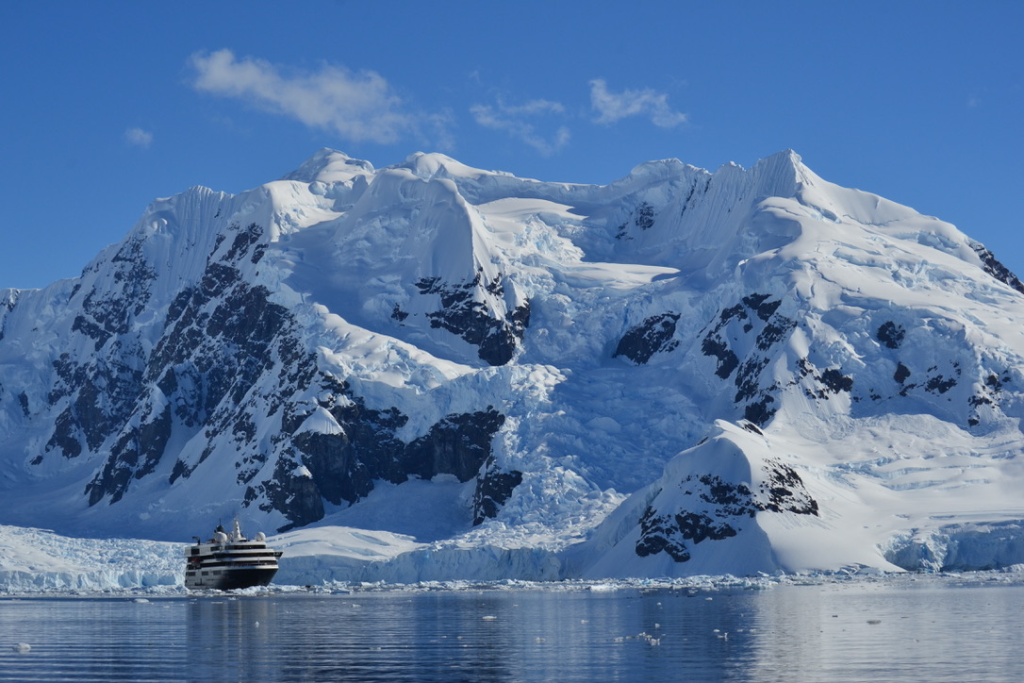
Similar to specialization, you should also research different companies’ reputations before booking your Antarctica trip.
You can read passengers’ past reviews about cruising with different companies – including their facilities, staff, expedition members and experts they hire. You should also read up on how the companies handle things when they go wrong because there’s always a high likelihood of things going wrong in Antarctica.
One particular company kept popping up in the newsletters as having some pretty nice deals to Antarctica. However, upon researching them, I’d learned that in the previous season, they had many cases where passengers didn’t get the experience promised to them and were lied to about the reason why without being made whole. Maybe if I’d
Antarctica Itinerary
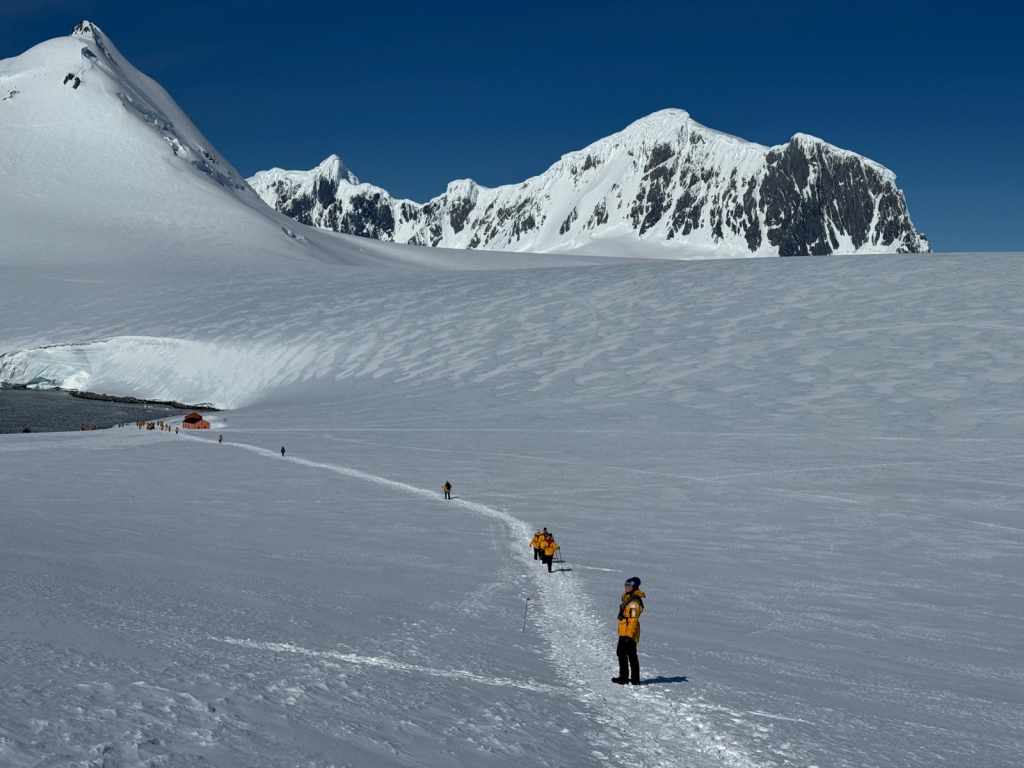
There are a few different typical Antarctica itineraries you should research before deciding on the last-minute deal you want.
The most common itinerary I saw for last-minute deals – and the one I ultimately chose – was the classic Antarctic Peninsula option. This itinerary typically gives about four days at the tip of the Antarctic Peninsula with the goal of at least one landing per day.
Other common options I saw were:
- Crossing the Circle: Option to visit the Antarctic Peninsula cross the official Antarctic Circle
- Antarctica, South Georgia and Falkland Islands: Typically a 19+ day trip visiting the Falklands, South Georgia & South Sandwich Island and Antarctic Peninsula
- Antarctica In-Depth: Antarctic Peninsula with some less visited spots like the Weddell Sea
- Antarctica Express/Fly the Drake: This itinerary allows passengers to skip the legendarily terrible Drake Passage. It can also be a bit more fickle than other itineraries because flights often get canceled and delayed, resulting in an even more limited voyage.
Ultimately, I’m happy with my classic Antarctic Peninsula itinerary choice – even getting super sick during the Drake Passage on the way back to Ushuaia was worth it. If I were to go back, I’d choose an itinerary that includes the Falklands & South Georgia to see the elegant king penguins and all the other legendary wildlife in that area.
Room Type
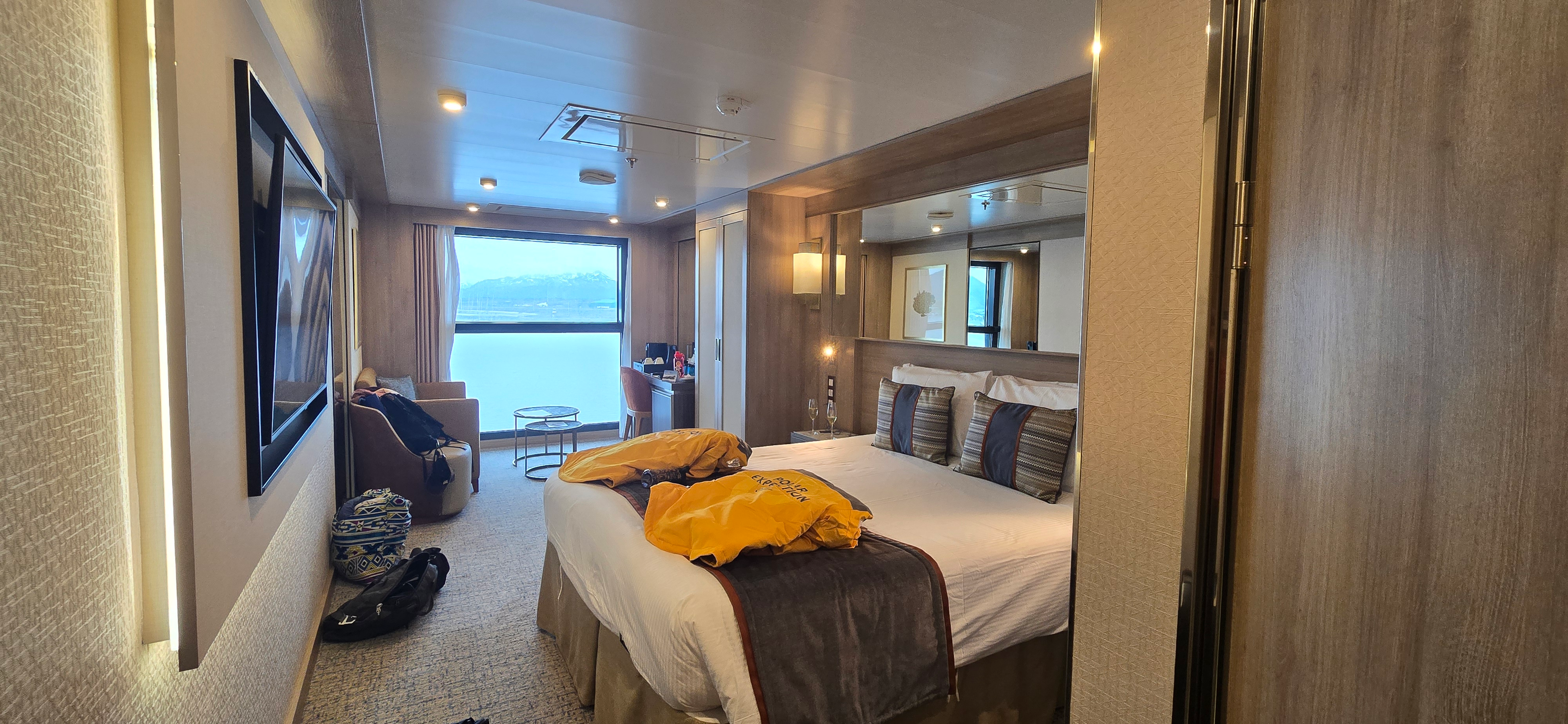
I’d put room type pretty firmly in the category of “beggars can’t be choosers.” However, you really can’t discount the fact that you’ll be spending at least a week and half in whatever room you book.
As a full-time traveler, I’ve learned how important it is for my space to feel comfortable when I’m going to be there for a decent amount of time. The space I call “home” for 5+ days will totally impact my mental space if it feels too claustrophobic.
I didn’t necessarily need a huge suite or balcony, but I knew I likely needed someone a bit bigger than a single porthole room for a place I’d be staying in for so long. Besides, a big part of the Antarctica experience is admiring the view as you sail through the continent.
I suggest being really honest with yourself about the type of room you’re going to be comfortable in for 10+ days.
Extra Activities
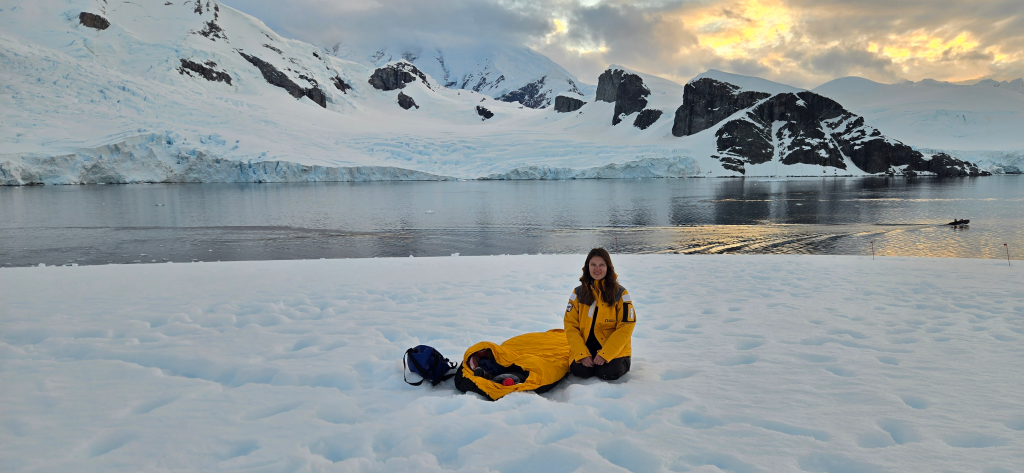
You’ll also want to consider what extras you’d like in your expedition and/or cruising experience.
Most expedition cruises offer extras like kayaking, paddleboarding and camping on a first-come, first-serve basis. Some cruises automatically include these extras in a price, and some offer them at an extra cost.
A few cruises will offer activities like snorkeling or even scuba diving. Very small ships can even offer glacier trekking. I recommend figuring out if you want a chance at any of these activities.
The onboard experience on the cruise can also come with extras. For example, the ship I went on offered 5 GBs of wifi and an open bar. To me, this offer was a plus but not necessary. For non-drinkers, these extras can sometimes feel like a deterrent because they don’t want to feel as if they’re paying for something they won’t use.
After you’ve researched all of these factors and learned what’s most important to you, you’ll be able to jump on the best Antarctica deal for you as soon as you see it!
Responsible Antarctica Travel
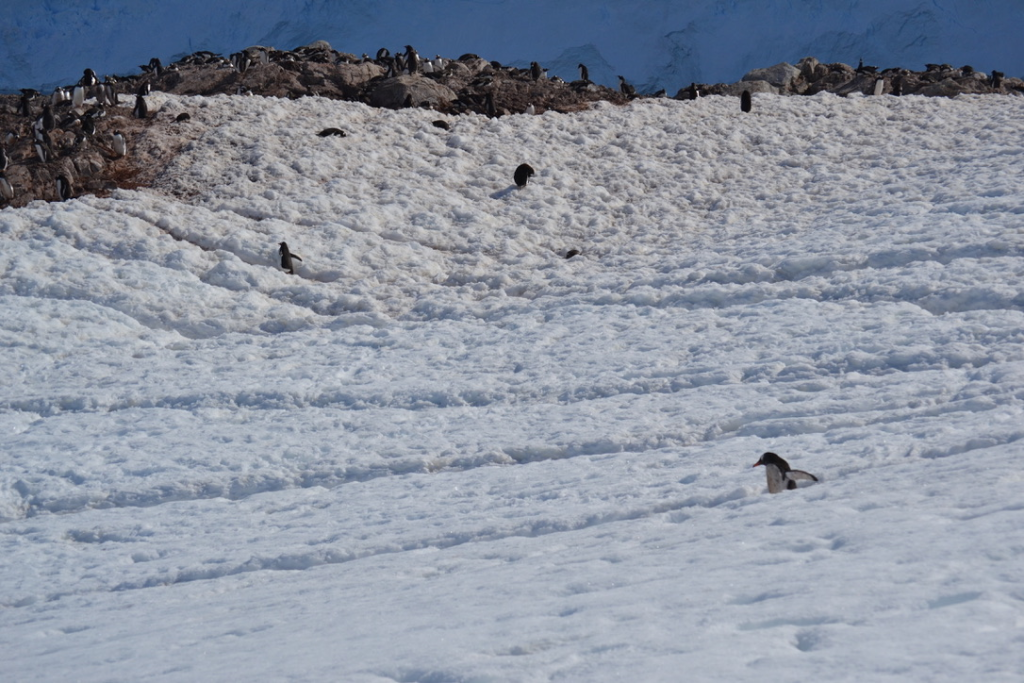
There are definitely people who think making travel to Antarctica more accessible is a detriment to the continent. Some people think no one should ever travel to Antarctica at all. Others think it should be more limited, and that Antarctica on a budget should not be possible at all.
I am not an expert on the matter. I did attend the mandatory lectures about being a responsible Antarctica visitor, plus the additional scientific lectures about Antarctica’s fragile ecosystems and political history.
What I do know is that Antarctica is still possible to visit – even for people like me who are budget-ish travelers. Everyone who visits must follow protocols set forth by the Antarctic Treaty, and they are subject to change at any time.
There are a couple of companies now that have made it part of their mission to travel responsibly and be good environmental stewards through both practice and education – for example, Quark and Aurora.
Regardless of who you travel to Antarctica with, it is crucial that you follow their instructions on what is and is not allowed when you’re on the continent. For example, you should not bring any food with you off the ship. You should also have all your outer layers inspected and possibly vacuumed before taking them off the ship and onto the continent.
A somewhat recent regulation due to avian flu is to avoid having any part of your body other than feet come into contact with land. That means no crouching for photos or lying down in the snow.
It’s technically your ship’s responsibility to ensure you follow these protocols – but ultimately you are most responsible for your own actions.
Do you have any interest in visiting Antarctica on a budget?
Let me know in the comments, or feel free to ask any questions!
Pin this post to save it for later.